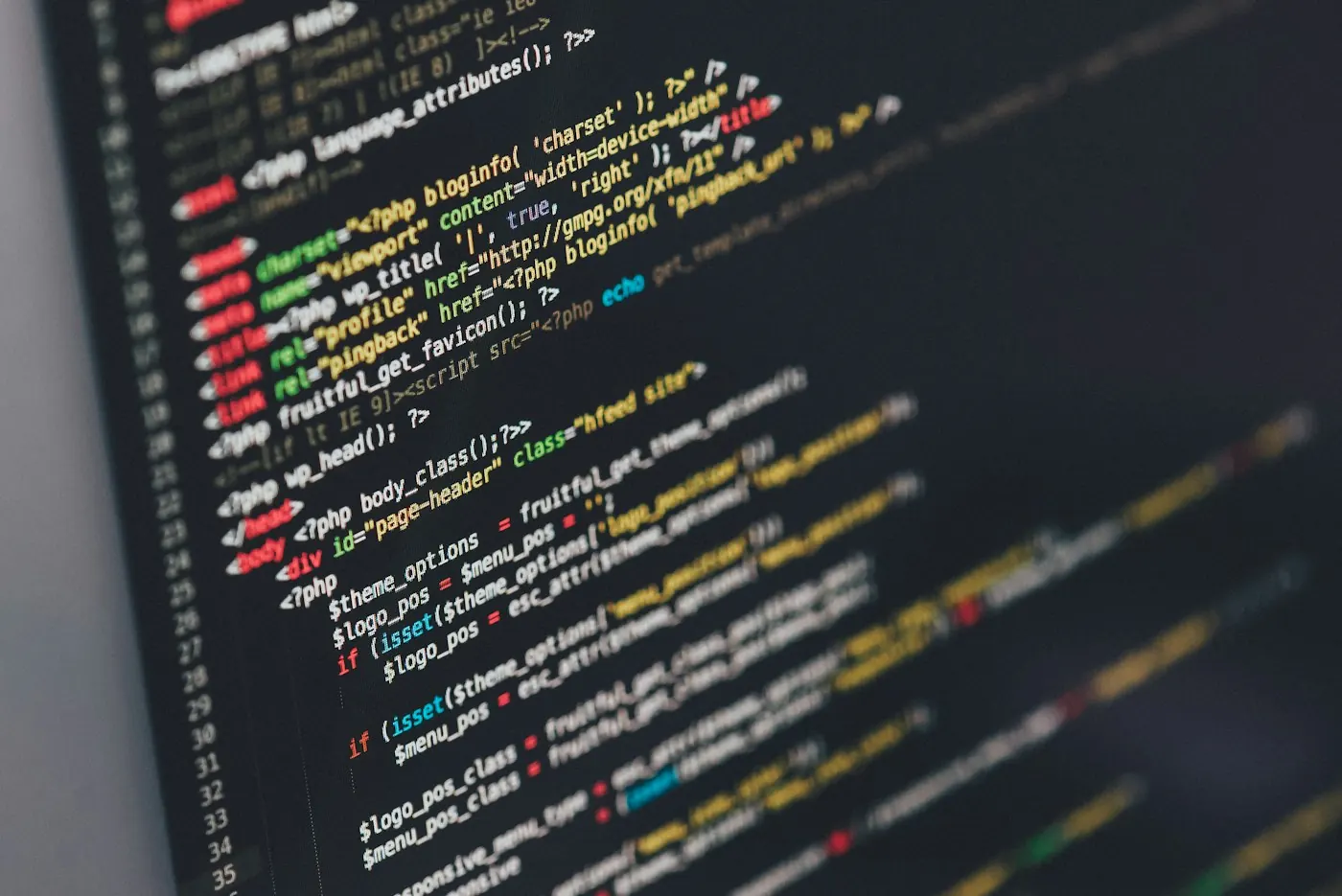
A domain name gives a website a human-readable address. It can become a familiar part of how people recognize a publication, a service, or a project.
The name is one part of a larger address. A URL can also include a path, a query, and a fragment pointing to a section. Understanding those parts makes links easier to read and share.
Take a moment to inspect an address before acting on an important page. Familiar spelling and a clear destination help you understand where a link is taking you.
Picture this situation.
Consider a printed invitation that includes a short web address. A readable name helps someone recognize where the link is meant to take them.
A second way to look.
Try changing the conditions of the visit. Less space, a longer sentence, or a different input method can reveal whether the experience depends on an ideal reader.
- Read the hostname carefully.
- Distinguish the site name from the page path.
- Share a clear link to the page you mean.
Follow a related question
Show a small input and expected result.
Instructions with an exampleDefine the task’s scope.
A guest session with a clear scopeKeep learning
Related background to continue exploring this subject.
MDN: learn web development MDN: how the web works